11.9. Data Distribution
11.9.1. Purpose and Scope
GEISA Application and Device Management provides mechanisms for moving application and operational information between Edge Devices and an Edge Management System (EMS). Systems operating a GEISA deployment also need an interoperable way to distribute selected GEISA data from the EMS to other authorized systems.
Data Distribution defines the common interfaces used to make selected GEISA data available to consumers. Note that consumer systems may be operated by the System Owner, System Operator, Application Vendor, or other authorized parties.
GEISA defines the data and interoperability requirements through the point where an authorized consumer receives a common GEISA data record, at which point it may transform the data as required for its own native ingestion. Transformation into consumer-specific formats, further routing, persistence, business-system ingestion, user interfaces, and other consumer-side processing are outside the scope of GEISA.
Data Distribution is intended to allow independently implemented systems to consume the same GEISA data without requiring a GEISA deployment to adopt the native schema, data models, or implementation technology of any consuming system(s).
A typical deployment includes:
one or more managed Edge Devices
an EMS receiving application, Platform, lifecycle, monitoring, event, and other ADM relevant information
one or more Data Distribution routes configured by the System Operator
one or more authorized consumers of the distributed GEISA data
adapters or other functions that translate the GEISA data records into formats used by consuming systems outside of GEISA
For example, the same application data may be consumed independently by:
a Utility-operated data lake
an Application Vendor system used for analytics or providing a user interface, and/or
a Utility operations system that may receive only selected events or alarms
other systems as required by the Utility and/or Operator
Consumption by one system SHALL NOT prevent the same data from being consumed by another authorized system. Data Distribution does not require every deployed record to have multiple consumers, but does require the system to support multiple independent consumers as per System Operator configuration.
This section addresses data that is available within the ADM and EMS scope. Data exposed by the GEISA Application Programming Interface to Edge Applications does not automatically become ADM data or require transport to the EMS or distribution to other consumers. For example, metrology, waveform, sensor, or similar device data may be exposed by the GEISA Platform to Edge Applications without becoming Platform operational data or being required to be transported through ADM/EMS systems for distribution.
Note that EMS implementations MAY expose additional interfaces, including ReST APIs, operator interfaces, query APIs, MQTT interfaces, or implementation-specific integration mechanisms, but such interfaces do not replace the interoperable Data Distribution requirements defined here. Direct IP communication by Edge Applications is a separate mechanism described elsewhere in this specification and is not part of Data Distribution.
GEISA Data Distribution SHALL use the Apache Kafka wire protocol for interoperable communication between an EMS and the configured Data Distribution service.
This requirement applies to protocol behavior and does not require Apache Kafka software as part of its implementation; a conformant deployment may use Apache Kafka or another implementation or service that provides the Kafka protocol capabilities required by this chapter.
Data Distribution does not define a separate message-delivery control path.
Application messages being delivered to an Edge Application are defined by
Application Messaging and Configuration, including
Object /3600 Server Message and the corresponding Server to Client
application-message API. Platform configuration is handled through
/3607 GEISA Platform Requested Configuration and reported through /3606 GEISA
Platform Effective Configuration. Application lifecycle operations remain defined by
/9 Software Management, and other device or Platform management actions remain defined by the applicable ADM Objects and LwM2M operations described under OMA Lightweight M2M.
11.9.2. Architecture and Interoperability Boundary
Data Distribution provides the interoperability path between GEISA data available at the EMS and authorized consumer systems.
A Data Distribution consumer receives a common GEISA data record. Once that record has been consumed, the consumer may transform, store, route, or otherwise process the data as required by the receiving system(s).

Figure 11.13 Data Distribution Architecture and Interoperability Boundary
The System Owner retains final authority over Data Distribution policies for a deployment environment. The System Operator is expected to configure and operate Data Distribution within that policy.
Data Distribution may carry information originating from several GEISA scopes. The original GEISA record’s semantics and applicable metadata SHALL be preserved, including identifiers, message types, timestamps, priorities, reason codes, and payloads. For example, an application message retains its AppID, message type, priority, content type, timestamp, and other applicable GEISA metadata.
Platform-originated data similarly retains its defined source, state, severity, reason, event type, and/or other applicable GEISA information rather than requiring consumers to reconstruct them.
In order to ensure interoperability, a consumer must receive enough information to interpret the distributed record without depending on implementation-specific EMS behavior.
Where the source already defines:
message type
priority
reason code
action
severity
AppID
Software Instance
timestamp
content type
other interoperable metadata
the Data Distribution record SHOULD reuse that information rather than defining another equivalent value.
A GEISA Data Distribution record MUST contain the identifiers, metadata, and payload, where applicable, needed to interpret the record without depending on Kafka topic names, record keys, or Kafka-specific headers. This does not prohibit duplicating metadata in Kafka headers or record keys for routing, partitioning, or other purposes.
11.9.3. Distribution Configuration and Topics
The System Owner retains final authority over Data Distribution policy. The System Operator configures Data Distribution routes, destinations, security, and other deployment-specific behavior in accordance with System Owner policy.
A route maps selection criteria to a Data Distribution target.
11.9.3.1. Data Selection
The System Operator MUST be able to select data for a route using defined GEISA metadata, including where applicable:
source scope or class
AppID
message type, including a set of message types
event or record type
Platform or component identity
Criteria MAY be combined. Routing MUST use GEISA semantics and MUST NOT require the EMS to inspect or interpret an opaque application payload. This version does not define a general-purpose policy language or utility-specific fleet grouping system. Implementations MAY provide additional grouping, tag, region, device class, or similar conveniences.
For every enabled route that matches a GEISA record, the EMS MUST publish the record to that route’s Data Distribution target. Multiple Data Distribution routes MAY select the same GEISA record.
For example, a System Operator may configure these routes, each with its own configured target and topic:
all messages for
AppID = 17to a Vendor Application Server target/topicmessage-type = EVENTorALARMto a Utility Operations target/topicall application-message records to a Utility Data Lake target/topic
An AppID = 17 ALARM record matches all three routes and is published
to each matching route’s configured target. Multiple independent authorized
consumers of one target consume that target’s publication independently and do
not require separate EMS publications.
11.9.3.2. Distribution Target
The System Operator MUST be able to configure a Data Distribution target.
Each configured target MUST include at least:
enabled or disabled state
Kafka endpoint or bootstrap server information
target topic
applicable security and authentication configuration
The System Operator configures Data Distribution targets under System Owner policy. The EMS uses its configured publication targets, applicable topic names, and producer credentials. Kafka topics, credentials, permissions, and related broker infrastructure MAY be provisioned by an infrastructure operations team using Kafka administration or provisioning tools. The EMS is not required to create topics or administer Kafka infrastructure. EMS implementations MAY provide additional administrative capabilities, but they are not required for interoperability. The EMS MUST NOT autonomously create a topic merely because a new consumer exists.
Kafka topic names used by GEISA Data Distribution MUST be structured.
The illustrative format appname.type uses the reverse-DNS application
identifier from the manifest for appname and an existing GEISA Message Type
for type. For example, com.example.geisa.waveformanalyzer.ALARM.
This is not the finalized topic grammar. Numeric OMA AppID is a separate
identifier.
Note
Objects /20, /3600, /3602, and /3604 use an Unsigned Integer
for Resource 4050 (AppID). The Application Deployment Manifest includes both
the numeric AppID and reverse-DNS app-name. The EMS MUST be able to
resolve the numeric AppID to the corresponding manifest app-name using the
originating Edge Device identity and its application deployment or
provisioning information. Numeric AppID values are not necessarily unique
across Edge Devices.
11.9.3.4. Kafka Record Keys
GEISA does not require a topic per Edge Device. Topic selection is determined by the System Operator’s route configuration.
Application-message Kafka record keys SHALL identify the originating Edge
Device and application using (operator-identifier, numeric AppID) from the
record’s source fields. The EMS uses this key for Kafka partitioning. Records
are ordered within a topic partition. Consumers SHOULD handle duplicate records,
including application-defined watermarks where appropriate. The exact key
encoding remains open.
Application Publishers or Application Vendors may provide integration requirements or recommendations, but they do not control the System Operator’s Data Distribution configuration.

Figure 11.14 Overlapping Data Distribution Routes
11.9.4. Data Distribution for Applications
Application messaging uses three distinct paths:
Edge-to-consumer distribution: Client to Server messages from Edge Devices use
/3600and Kafka Data Distribution to reach authorized consumers.External-to-Edge delivery: an authorized Vendor Application Server or Utility Operations client submits a message to the EMS over HTTPS POST. The EMS delivers it to the Edge Application through
/3600. See Application Messaging and Configuration.EMS message retrieval: an authorized Vendor Application Server or Utility Operations client uses HTTPS GET to retrieve the latest available matching message or historical messages. Request ID may be used as an optional lookup or filter criterion. See Application Messaging and Configuration.
Existing GEISA application message classifications include:
CONFIGCOMMANDCOMMAND_RESULTSTATUSEVENTALARMAPP_DATATELEMETRY
Data Distribution does not define additional application message types, and messages retain their original message classification and associated GEISA metadata when distributed.
An ADM-conformant EMS receiving /3600 Client to Server application messages
MUST make those messages available for Kafka-protocol Data Distribution as
defined in this chapter. Actual publication is determined by the configured
Data Distribution routes.
Data Distribution MUST preserve application payload bytes unchanged unless an explicitly defined GEISA transformation applies. Transformation for responses for non-GEISA system ingestion formats occurs outside of the GEISA Data Distribution boundary.
GEISA does not define the internal schema of an application’s opaque payload, and an EMS is not required to understand that payload. This does not prohibit the EMS or System Operator from carrying, storing, inspecting, interpreting, or processing it when authorized and when its content type or format is known. Data Distribution MUST preserve the GEISA metadata required to identify and interpret the record.
11.9.4.1. Minimum /3600 Application-Message Fields
For each distributed /3600 Client to Server application message, the
Data Distribution record MUST carry at least:
operator-identifierAppIDrequest-idprioritymessage-typetimestamp-usttl-secondscontent-typepayloadapp-version
These names and meanings reuse Platform Discovery and the GEISA application-
message envelope. The EMS obtains operator-identifier from managed-device
or provisioning context; it is not required in the Edge Application’s message
envelope. The EMS MUST obtain app-version from application deployment or
provisioning context for the application that generated the message. Software
Instance MAY be included as additional metadata but is not required by this minimum.
For example, the following illustrates a Data Distribution representation of an application message. The exact serialized format and schema remain to be finalized:
{
  "source": {
    "operator-identifier": "meter-123",
    "AppID": 17,
    "app-version": "2.3.1"
  },
  "message": {
    "request-id": "req-1842",
    "priority": "GEISA_APP_MESSAGE_PRIORITY_IMMEDIATE",
    "message-type": "GEISA_APP_MESSAGE_TYPE_ALARM",
    "timestamp-us": 1793800000000000,
    "ttl-seconds": 300,
    "content-type": "application/json",
    "payload-base64": "eyJhbGFybSI6dHJ1ZX0="
  }
}
Retention duration and capacity for these queries are not prescribed by GEISA; they are determined by agreement between the Application Vendor and the Utility/System Owner.
DATA_DISTRIBUTION is not a GEISA message type. Data Distribution describes what is
done with a record, not what the record means.
For /3600 application messages, the provisioned operator-identifier
MUST identify the originating Edge Device within the System Operator’s managed
deployment. The EMS MUST obtain or map this identifier from its managed-device
or provisioning context. /3 Serial Number and the LwM2M Endpoint Name MUST
NOT be repurposed as the external application-message device identifier.
Where a record concerns an application, the existing AppID and other applicable application identity SHOULD be retained.
11.9.5. Data Distribution for Platform
Draft
Platform Data Distribution, including Event Reporting, remains under review for GEISA 1.0 and may be deferred to a later release.
The GEISA Platform provides operational state and monitoring information through several ADM Objects. Depending on the Object, this may include current state, counters, timestamps, reason codes, lifecycle information, Platform actions, queue or API status and/or other operational data.
Relevant ADM Objects include:
/3601GEISA Host Monitoring/3602GEISA App Accounting/3604GEISA App Monitoring/3605GEISA Platform Monitoring/3608GEISA Platform Component Monitoring, when implemented
Other standard OMA Objects may provide additional ADM information where applicable.
Note that the current monitoring state is not necessarily a discrete event. A Data Distribution route may distribute state, events, alarms, accounting information, or other selected operational information according to System Operator configuration.
Data exposed by the Platform to Edge Applications through APIs such as metrology, waveform, or sensor APIs is also not considered to be Platform operational data solely because the Platform provides access to it.
11.9.5.1. Durable Event and Log Data
Event Log Object /20 provides durable event, log, audit, diagnostic, Platform, and
application records.
Records already available to the EMS through /20 may be selected for Data
Distribution like other eligible ADM data. Data Distribution does not require every
/20 record to be distributed.
Separately, /20 may be considered as a possible mechanism for carrying
Platform-originated events from an Edge Device to the EMS, potentially using structured
GEISA event records and LwM2M Send. That use is discussed under Platform Event Reporting
and is not yet finalized.
11.9.5.2. Other ADM Data
Additional ADM data may be relevant for Data Distribution when the information has an interoperable GEISA or OMA representation and the System Operator has configured it for distribution.
The inclusion of additional ADM data does not change the scope or meaning of the source Object or Resource.
Where a record concerns a Platform component, the applicable Platform or component identity SHOULD be retained.
For Platform-scoped /20 records, GEISA may reserve an AppID value to represent the
Platform. The need for such a value and its numeric assignment remain open questions.
11.9.5.3. Platform Event Reporting
Current ADM mechanisms provide several ways to observe Platform and application behavior:
Read retrieves the current Resource state
Observe and Notify can provide asynchronous notifications when selected Resource values change
Monitoring Objects provide current state, counters, timestamps, latest reason codes, Platform actions, and other accumulated monitoring information
Event Log Object
/20provides durable event and log historyLwM2M Send may provide unsolicited Client-to-Server reporting where GEISA makes the applicable behavior mandatory
Remote logging may provide additional operational logging where configured
These mechanisms overlap but serve different purposes.
Observe/Notify is appropriate for reporting current state and changes to monitored Resources. In many cases, it may be all that is required. A consumer observing application lifecycle state, Platform health, queue status, or component state can receive timely notification when those values change.
Monitoring Objects describe current state and accumulated monitoring information. Event reporting preserves discrete occurrences and the relationship between the cause, subject, action, and time of an occurrence.
If all relevant Resources are observed, every meaningful transition changes an observed Resource, every notification is received, and related Resource changes can be correlated correctly, the EMS may have enough information to reconstruct what occurred, but those assumptions do not always hold.
A single policy or lifecycle occurrence may update several independent Resources.
For example, one application policy violation might result in:
an application policy-violation counter increasing
an accounting or monitoring reason changing
the application lifecycle state changing
an exit reason being updated
the Platform recording that it stopped or forcibly terminated the application
Individual Resource notifications do not establish that these changes all resulted from the same occurrence.
An application may crash, restart, crash again, and eventually reach a restart limit while the EMS is temporarily unreachable or while several state changes occur in a short period.
The resulting monitoring state may correctly indicate that:
the application is stopped or failed
the restart count increased several times
the most recent exit resulted from a crash
the most recent Platform action stopped the application
That state does not necessarily retain the ordered sequence, occurrence time, or reasons associated with each individual transition.
A counter can show that an event occurred one or more times, but does not identify each occurrence.
For example, a change in an unauthorized API attempt counter can show that additional unauthorized attempts occurred. The counter alone does not necessarily identify each occurrence, its exact time, its subject, its reason, or an action taken in response.
After a management communication outage, monitoring state can accurately tell the EMS what is true now at the current point in time. Counters can also show accumulated activity that occurred while communication was unavailable.
Those mechanisms do not nescessarily identify every discrete occurrence that took place during the outage.
Event Log /20 may provide the durable history required to fill this gap. Whether
/20 plus LwM2M Send is sufficient for interoperable Platform Event Reporting remains
an open design question.
Platform Event Reporting should not duplicate monitoring by generating a separate event for every Resource transition.
Explicit event reporting is most relevant when a discrete occurrence needs one or more of the following:
independent routing
durable traceability
accounting over time
recovery after missed notifications
correlation of several related state changes
preservation of occurrence-specific information not represented by current state
11.9.5.3.1. Platform Event Information
The initial Platform Event model should contain enough information for an EMS to identify a discrete occurrence without reconstructing it from multiple monitoring Resources. The intent is to reuse existing GEISA fields and enumerations wherever possible rather than define another parallel event model.
Information |
Initial direction |
Example |
|---|---|---|
Origin Event ID |
Core |
A Platform-generated identifier for this occurrence, unique within the originating Edge Device. |
Occurrence Time |
Core |
Time at which an application crash, policy violation, component failure, or other occurrence took place. |
Message Type |
Core |
Reuse an existing GEISA type such as |
Event Code |
Core, new only where needed |
|
Subject |
Core |
Application, Platform, Platform component, queue, API, or other defined GEISA scope. |
Subject Identity |
Required when subject is not the Platform overall |
AppID and Software Instance for an application, or a |
Reason Code |
When applicable |
Reuse an existing GEISA reason such as |
Platform Action |
When applicable |
Reuse an existing action such as |
Severity |
When applicable |
Reuse the GEISA severity levels already used by Platform reporting configuration. |
Condition or Correlation ID |
When needed |
Associates an asserted alarm or condition with a later update or clear/recovery report. |
Additional Data |
Optional |
Structured or opaque information needed by the specific event, identified by an appropriate content type. |
For example, an application that repeatedly crashes until the configured restart limit is exceeded might produce an event equivalent to:
Origin Event ID:     1842
Occurrence Time:     2026-10-12T16:42:13Z
Message Type:        ALARM
Event Code:          APP_RESTART_LIMIT_EXCEEDED
Subject:             Application
AppID:               42
Software Instance:   /9/7
Reason Code:         Restart limit exceeded
Platform Action:     Stopped
Severity:            Major
The current application monitoring Objects would continue to expose the resulting state, restart counters, latest exit reason, and Platform action. The Platform event identifies the discrete occurrence that caused those values to change.
Similarly, a Platform component failure might produce:
Origin Event ID:     1843
Occurrence Time:     2026-10-12T16:44:02Z
Message Type:        ALARM
Event Code:          COMPONENT_FAILED
Subject:             Platform Component
Component:           /3608/3
Reason Code:         Timeout
Severity:            Major
If the component later recovers, a subsequent event may refer to the same condition so an EMS can associate the recovery with the earlier failure:
Origin Event ID:     1844
Occurrence Time:     2026-10-12T16:45:17Z
Message Type:        EVENT
Event Code:          COMPONENT_RECOVERED
Subject:             Platform Component
Component:           /3608/3
Condition ID:        <same condition as the failure>
An authorization failure provides a different example. Existing aggregate monitoring may report that the unauthorized-attempt counter increased, while a discrete event can retain the information associated with a particular occurrence:
Origin Event ID:     1845
Occurrence Time:     2026-10-12T16:47:31Z
Message Type:        EVENT
Event Code:          AUTHORIZATION_DENIED
Subject:             Application
AppID:               42
Reason Code:         Authorization denied
Note that these examples are not intended to define the final event-code set or require every listed field for every event, but are intended to illustrate the information that may otherwise be lost when an EMS only observes current state, counters, or the most recent reason and action.
Existing GEISA enums and identifiers SHOULD be reused whenever possible and their intent and semantics match. Platform Event Reporting should not create separate definitions for concepts already represented by GEISA message types, reason codes, Platform actions, priorities, severities, AppIDs, Software Instance references, or Platform component identifiers.
See Platform Open Questions for unresolved Platform Event Reporting decisions.
11.9.5.3.2. Event and Condition Identity
An Edge Device may generate event information while disconnected from its EMS.
Any origin event identifier therefore SHALL NOT require an EMS round trip before the event can be created.
An origin event identifier may be unique only within the originating device scope. The combination of managed-device identity and origin event identifier can identify the event within the management domain.
11.9.5.3.3. Candidate Reporting Mechanisms
Monitoring, Observe/Notify, and Event Log
Current monitoring Objects provide state and accumulated monitoring information.
Observe/Notify provides timely state-change reporting, while /20 provides durable
history.
This option adds the least new protocol or Object behavior but may require the EMS to correlate several state changes in order to reconstruct one operational occurrence.
Structured GEISA Event Records Through Event Log and LwM2M Send
GEISA may define a structured Platform event representation stored through /20 and
reported using LogDataIncremental and LwM2M Send.
This option reuses the existing Event Log and LwM2M Information Reporting mechanisms.
If this approach is selected, GEISA may need to:
make the applicable LwM2M Send behavior mandatory
define the structured GEISA event representation carried by
/20define how Platform-scoped records are represented when
/20AppID is mandatorydetermine whether a reserved AppID value represents the GEISA Platform
Dedicated Platform Event Reporting Object
GEISA may define a separate Platform Event Reporting Object or equivalent ADM interface.
This provides a clear distinction between current monitoring state, durable log history,
and discrete event reporting, but adds another GEISA-defined ADM interface and should
only be selected if the existing /20 and Information Reporting mechanisms cannot
meet the interoperability requirements cleanly.
Remote Logging
Remote logging may supplement Platform Event Reporting and provide integration with established operational logging systems.
Remote logging alone should not be assumed to provide the structured, interoperable GEISA event semantics required for Data Distribution.
11.9.5.3.4. Platform Open Questions
Which Platform occurrences require explicit event reporting vs current state plus Observe/Notify?
Possible direction: require explicit reporting only when an occurrence needs independent routing, durable traceability, recovery after missed notifications, or correlation of multiple state changes.
Should Platform Event Reporting use
/20plus LwM2M Send or a dedicated Platform Event Reporting Object?Possible direction: first determine whether a structured GEISA event representation fits cleanly into
/20LogDataIncremental.If
/20plus Send is selected, which LwM2M Send behaviors need to become mandatory/MUST for ADM interoperability?How should Platform-scoped
/20records satisfy the mandatory AppID Resource?Possible direction: reserve a GEISA AppID value representing the Platform.
What identifier is required for an edge-generated event?
Possible direction: use an origin-scoped event identifier that is unique within the managed Edge Device, with the EMS retaining the originating device identity.
Do ongoing conditions need a separate condition identifier so an assertion, update, and clear/recovery can be correlated?
Is a source sequence number needed so the EMS can detect missing discrete events?
Which existing GEISA message types apply to Platform events?
Possible direction: reuse
EVENTandALARMinitially and avoid creating another message-type taxonomy.How much new event-code vocabulary, if any, is needed vs existing reason codes, Platform actions, states, and other enums are reused?
Does each Platform event require explicit severity, or can severity be defined by the event type or Platform policy?
When event suppression combines repeated equivalent occurrences, what occurrence count or timing information must be retained?
Beyond
/3600Application Messaging, which ADM data sources must an EMS support for Data Distribution?Which source identifiers are required for Data Distribution records other than
/3600application messages?Which fields can be reused directly from Platform monitoring, application monitoring, Event Log, or other ADM Objects for non-
/3600records?
11.9.6. Kafka Protocol and Operations
11.9.6.1. Consumer Delivery Model
Kafka consumers subscribe to one or more topics and normally maintain persistent
broker connections and continuous consumption of newly available records. At the
Kafka wire-protocol level, consumers use the Fetch API. A Fetch request may
remain outstanding until records become available or the configured wait
expires. Subsequent Fetch requests normally reuse the existing broker connection,
allowing newly published records to be returned with low latency without repeated
connection setup or periodic interval polling.
This model provides several properties relevant to GEISA Data Distribution, including independent consumer pacing, retained records, replay from a previous offset, and recovery after consumer interruption.
Where an existing system uses a push-oriented native interface, a GEISA-facing adapter may continuously consume the Kafka stream and immediately deliver records through that interface. The native delivery mechanism and any transformation performed after consumption of the GEISA data record are outside the GEISA interoperability boundary.
11.9.6.2. Kafka Protocol Baseline
The GEISA Kafka protocol baseline is Apache Kafka 4.4 for the APIs required
below. Implementations MAY support later compatible API versions. API versions
are negotiated using ApiVersions.
11.9.6.3. Required Kafka Protocol Operations
The table below lists the required and conditional Kafka protocol capabilities for interoperability among the EMS producer, distribution endpoint, and consumers.
Kafka API or capability |
Requirement |
Applies to |
Purpose |
|---|---|---|---|
|
MUST |
EMS and distribution endpoint |
Negotiate mutually supported Kafka API versions |
|
MUST |
EMS and consumer |
Discover topic and partition metadata |
|
MUST |
EMS producer |
Publish GEISA Data Distribution records |
|
MUST |
Distribution endpoint |
Allow consumers to retrieve records |
|
MUST |
Distribution endpoint |
Locate available offsets for resume or reprocessing |
|
MUST |
Distribution endpoint |
Locate the coordinator used for broker-managed consumer position |
|
MUST |
Distribution endpoint |
Allow a consumer to persist its consumed position |
|
MUST |
Distribution endpoint |
Allow a consumer to recover its previously committed position |
|
Conditional |
EMS and distribution endpoint |
Required when the configured security profile uses Kafka SASL negotiation |
|
Conditional |
EMS and distribution endpoint |
Required when the configured security profile uses SASL authentication |
|
MUST |
Distribution endpoint |
Support classic consumer-group membership and automatic partition assignment |
|
MAY |
Distribution endpoint |
Support consumer-group inspection and administration |
|
MAY |
EMS producer |
Support idempotent or transactional producer behavior |
The requirement to support OffsetCommit, OffsetFetch, and FindCoordinator
provides a standard Kafka mechanism for an independent logical consumer to retain and
recover its position. Consumer groups remain optional for consumers that manage
partition assignment by other means.
11.9.6.4. Pattern Subscriptions
A Kafka consumer MAY subscribe to topic names matching a regular-expression pattern. The consumer client matches the pattern against topic names discovered through Kafka metadata and reevaluates the match when metadata is refreshed, so newly created matching topics can join the subscription. For example:
com\.vendor\.voltagemonitor\.(ALARM|EVENT)
This pattern selects the application’s ALARM and EVENT topics, subject
to authorization. Classic consumer-group operations support membership and
automatic partition assignment for matching topics. Kafka 4.4 also defines the
newer ConsumerGroupHeartbeat protocol with server-side subscription patterns;
GEISA does not require that newer protocol.
A pattern subscription does not grant permission to access matching topics. A consumer may be authorized for only some topics matching its pattern. Topic metadata discovery and record access remain subject to the configured Kafka security policy; topic discovery does not imply read access or guarantee confidentiality of topic names.
11.9.6.5. Kafka Protocol Operations Not Required
The following Kafka capabilities are not required for GEISA Data Distribution unless another section explicitly makes them applicable:
Kafka API or feature family |
Requirement |
Reason |
|---|---|---|
|
Not required |
The EMS is not required to provision Kafka infrastructure |
|
Not required |
Kafka service administration is separate from the EMS producer role |
Transaction APIs |
Not required |
Distributed Kafka transactions and exactly-once processing are not required |
ACL administration APIs |
Not required |
The EMS uses configured authorization and is not required to administer Kafka ACLs |
SCRAM credential administration APIs |
Not required |
The EMS is not required to administer Kafka identities or credentials |
Broker, replica, quorum, controller, or cluster administration |
Not required |
Kafka infrastructure operation is outside the Data Distribution producer role |
Kafka Streams |
Not required |
Consumer-side stream-processing architecture is outside GEISA |
Kafka Connect |
Not required |
Consumer-side connector architecture is outside GEISA |
|
Not required |
These capabilities are not required for the Data Distribution interoperability model |
11.9.6.6. Kafka-Compatible Implementations
Kafka protocol compatibility is available from implementations other than Apache Kafka itself. The following examples are included to support discussion and are not an endorsement or exhaustive list.
Implementation |
Type |
Notes |
|---|---|---|
Apache Kafka |
Open-source broker |
Reference implementation of the Kafka protocol and API model |
Nisshi, formerly Tansu |
Open-source Kafka-compatible broker |
Apache-2.0 implementation with PostgreSQL, SQLite, S3, or memory storage options |
Redpanda |
Source-available Kafka-compatible broker |
Independent broker implementation supporting standard Kafka clients and core Kafka APIs |
Azure Event Hubs |
Managed cloud service |
Exposes a Kafka protocol endpoint without requiring an Apache Kafka cluster |
WarpStream |
Kafka-compatible streaming service |
Implements Kafka protocol operations over a substantially different storage and broker architecture |
These examples demonstrate why GEISA specifies protocol behavior rather than a particular broker product or internal architecture.
11.9.6.7. Consumer Groups
A Data Distribution consumer MAY use Kafka consumer groups to distribute records across multiple worker instances belonging to the same logical consumer.
For example, a Vendor Application Server may run several worker processes using one consumer group for scaling or failover.
GEISA does not require a Data Distribution consumer to use consumer groups or prescribe its worker architecture.
Consumer groups are separate from the required support for independent logical consumers. A Utility data-lake consumer and a Vendor Application Server consumer must be able to consume the same Data Distribution records independently.
11.9.6.8. Distribution and Consumer Behavior
11.9.6.8.1. Multiple Independent Consumers
Data Distribution SHALL permit the same distributed GEISA record to be consumed independently by multiple authorized logical consumers.
The EMS MUST NOT publish a separate copy of a record solely because multiple logical consumers are authorized for the same target. Multiple authorized independent logical consumers MUST be able to maintain independent consumption positions for the same target. Consumption, outage, acknowledgement, or processing by one logical consumer SHALL NOT prevent another authorized logical consumer from consuming the same retained record.
A GEISA application generates a record that reaches the EMS. The EMS publishes the record to a configured target. Two authorized independent logical consumers of that target, such as a utility data-lake adapter and a Vendor Application Server, consume the same record and maintain separate positions. This arrangement is appropriate only when both consumers are authorized to receive every record in the target. An outage or commit by one consumer does not affect the other.
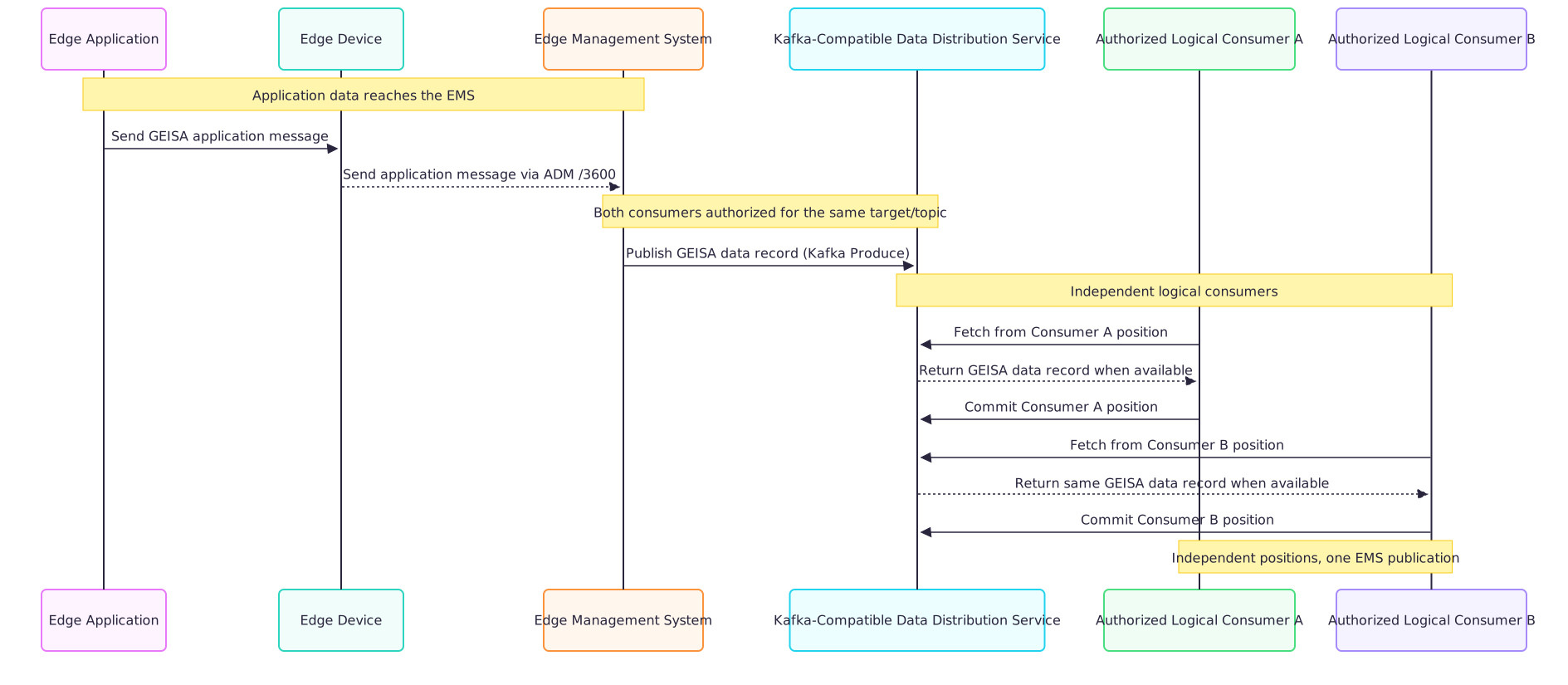
Figure 11.15 Multiple Independent Data Distribution Consumers
11.9.6.8.2. Ordering
Ordering guarantees for Data Distribution remain under review:
by originating Edge Device
by application
by Data Distribution route
by Kafka partition
or through another defined scope
GEISA does not require global ordering across an entire deployment unless it is shown to be required for interoperability.
11.9.6.8.3. Publication and Failure Behavior
The EMS must be able to detect whether publication to the configured Data Distribution target succeeds or fails. Publication failure conditions include:
temporary Data Distribution endpoint unavailability
producer retries
duplicate records resulting from retry
record expiration
failures that prevent a record from being published
Detailed retry algorithms and fixed retry timing are deployment concerns unless required for interoperability.
11.9.6.8.4. Consumer Outage and Recovery
A consumer becomes unavailable while the EMS continues publishing records.
The Kafka service retains records according to deployment configuration.
When the consumer returns, it resumes consumption of records that remain available. Other independent consumers continue operating during the outage.
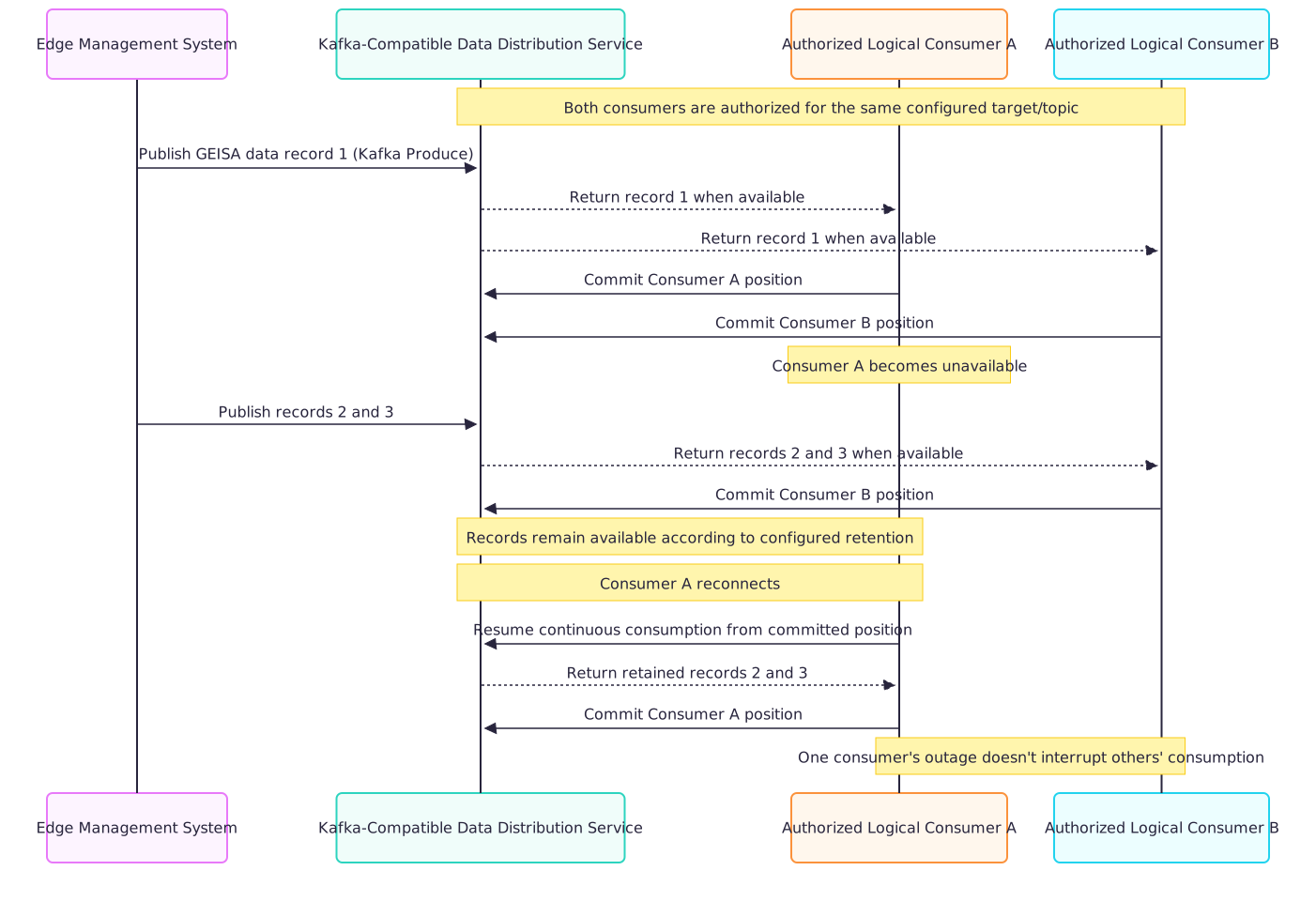
Figure 11.16 Consumer Outage and Recovery
11.9.6.9. Consumer Interruption, Retention, and Recovery
Data Distribution must account for temporary consumer outages without requiring the Kafka service to become the permanent historical system of record.
A consumer may disconnect and later resume consumption of records that remain available within the configured Kafka retention window.
Temporary failure of one consumer SHALL NOT affect the delivery state of another independent consumer.
Objects /3606 and /3607 describe effective and requested GEISA Platform
configuration on the Edge Device.
Existing Platform configuration includes concepts such as:
minimum upstream severity
event suppression period
clear/recovery reporting
reporting priority
message and queue TTL
queue or spool limits
other Platform-side reporting behavior
These controls affect behavior between the Edge Device and EMS.
Kafka retention is a Data Distribution service concern and is separate from
/3606 and /3607 Platform configuration. It SHALL NOT be implicitly mapped
to or derived from their queue, spool, or message TTL settings.
The Data Distribution configuration model should reuse existing GEISA concepts where applicable without mixing EMS-side routing or Kafka-service configuration into Edge Device Platform configuration.
These responsibilities are distinct even when an implementation uses shared storage:
Responsibility |
Scope |
|---|---|
Edge buffering |
Queue, spool, message TTL, and connectivity govern delivery from the Edge Device to the EMS. |
EMS publication buffering |
Where implemented, buffering before successful Kafka publication retains records awaiting publication. |
Kafka retention |
The Data Distribution service retains published records for independent consumer positions and recovery. |
EMS latest-message and historical retrieval |
EMS query capabilities expose available messages separately from Edge buffering and Kafka retention. |
Application/Vendor storage and processing |
Application/Vendor-side storage and processing after receipt are outside the GEISA Data Distribution boundary. |
11.9.6.9.1. Retention
The Data Distribution service SHALL support configurable retention of published records so that consumers may disconnect and later resume consumption while records remain available.
GEISA does not prescribe a fixed retention period or storage size. The System Owner retains authority over retention policy and the System Operator SHALL be able to configure or approve the retention policy used by each Data Distribution target.
When the Data Distribution service is integrated with or operated as part of the EMS, the EMS may expose the applicable retention configuration to the System Operator.
When an external Kafka-compatible service is used, the System Operator may configure retention through that service’s administrative interface before the target is placed into service.
11.9.6.9.2. Reprocessing
A consumer may reprocess data that remains available from the Kafka service.
11.9.6.9.3. Historical Retrieval
Historical retrieval is separate from Kafka replay. The historical query time range, response representation, and error behavior remain under review. Data that is older than the Kafka retention window may be available through other mechanisms, including:
EMS query or ReST APIs
Event Log
/20utility-operated archives or data lakes
application or Edge Device resend mechanisms where supported
Data Distribution is not required to serve as the long-term historical system of record.
11.9.6.10. Security
Data Distribution crosses the GEISA operational boundary and therefore requires authenticated and encrypted communication.
GEISA must define a minimum interoperable security profile for Kafka-protocol Data Distribution.
The security profile should address:
encrypted transport
authentication of the Kafka endpoint
authentication of the EMS producer
credential and trust configuration under System Operator control
authorization of consumers and topics as applicable
GEISA does not require support for every security option implemented by Apache Kafka.
Insecure Kafka modes should not become mandatory merely because they are supported by the Kafka protocol or a particular Kafka implementation.
The exact mandatory TLS and authentication mechanisms remain under review.
11.9.6.11. Operational Visibility and Failure Handling
The System Operator needs enough visibility to determine whether Data Distribution is operating correctly.
The implementation should expose information sufficient to determine at least:
whether a configured Data Distribution route is enabled
whether the configured endpoint is reachable
whether authentication succeeds
whether publication is succeeding or failing
whether records are waiting for publication where buffering is implemented
whether records have expired or been dropped
the time of recent successful and failed Data Distribution activity
11.9.7. Open Questions
The following questions remain open for review and discussion.
11.9.7.1. Northbound ReST API
What time-range representation and boundary semantics should historical GET use?
What response representation and error behavior should latest and historical GET define, including empty results and unavailable history?
How should
request-idselection combine with the target, Message Type, and historical time-range criteria?How should the EMS report delivery failures to the originating Vendor Application Server after accepting a message?
11.9.7.2. Data Selection and Routing
What configuration representation, if any, should GEISA define for Data Distribution routes and targets?
When multiple routes resolve to the same Kafka endpoint and topic, should the EMS publish the matching record only once?
How should structured
appname.typetopics handle different authorization scopes? For example, a vendor authorized for alarms from 500 of 10,000 devices must not receive alarms from the remaining devices.Should topic names use the reverse-DNS manifest
app-nameor numeric OMAAppID, and what exact naming rules should GEISA define?
11.9.7.3. GEISA Data Distribution Record
What exact serialized format and schema should the Data Distribution envelope use?
11.9.7.4. Kafka Profile
What, if any, delivery-latency requirements should GEISA define for time-sensitive
EVENTandALARMmessages over Kafka?What producer acknowledgement and retry behavior is needed for GEISA interoperability, including publication failure and record expiration?
What ordering behavior beyond ordering within a topic partition is required?
What byte-level encoding should be used for the logical
(operator-identifier, numeric AppID)key?
11.9.7.5. Retention and Recovery
How should consumers determine when to use EMS historical queries, Event Log, or another system instead of Kafka replay?
11.9.7.6. Security
Which TLS and Kafka authentication mechanism or mechanisms form the mandatory baseline?
Which additional Kafka security mechanisms should be optional?
What configuration information must the EMS expose to the System Operator without requiring the EMS to administer the Kafka security system?